Comfort Over Confinement
Kennels are often built for efficiency and scale, not comfort. Pets may end up in cages or confined areas, surrounded by unfamiliar animals. This environment can trigger stress, fear or even aggression.
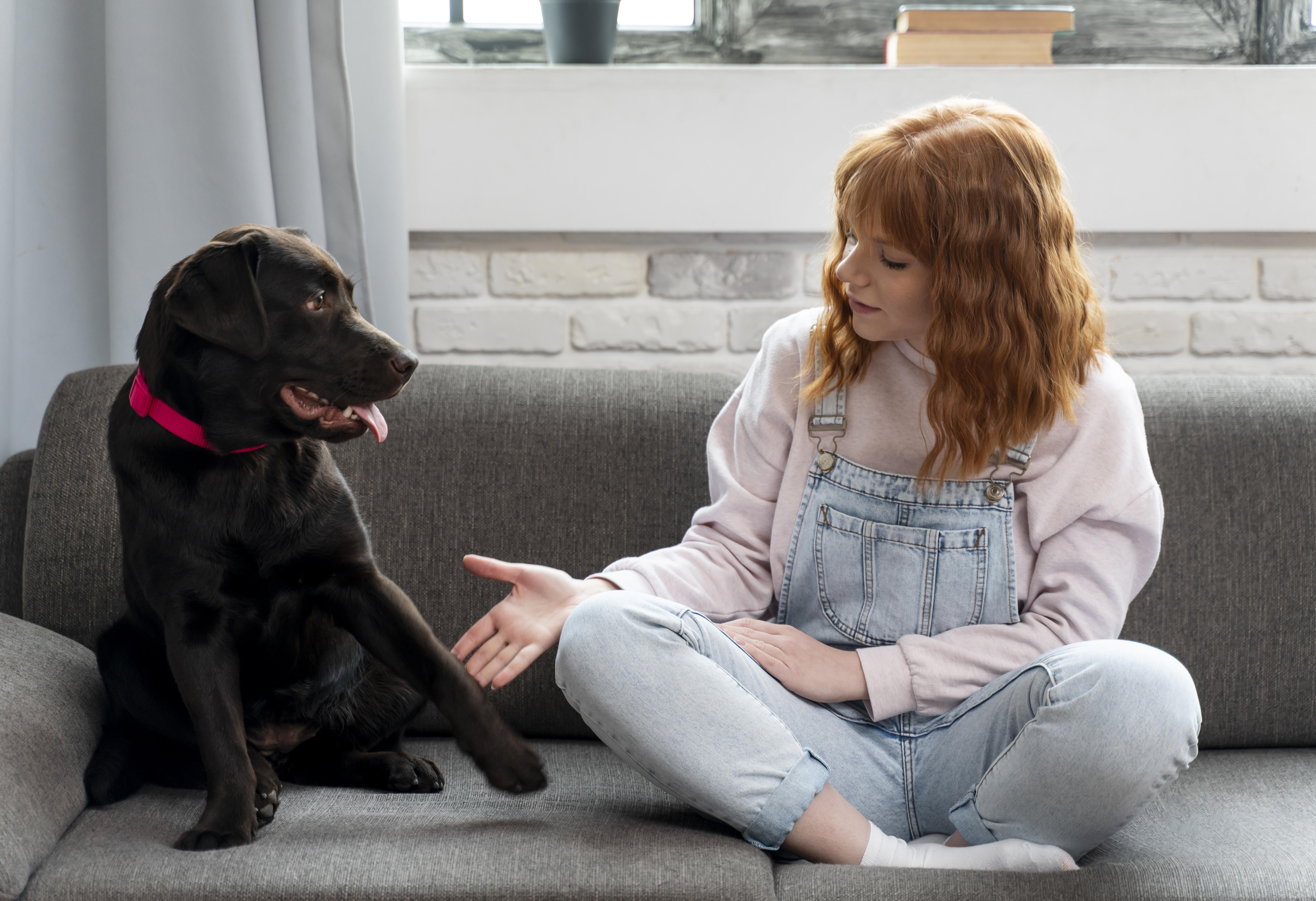
A home-based staycation, however, flips the script. Imagine your dog stretched out on a couch, exploring a safe backyard or napping in a quiet corner; all under the watchful eye of a sitter who genuinely loves animals. Instead of confinement, pets enjoy comfort, space and familiarity. For parents, knowing their companions are in a nurturing environment makes all the difference.
The Emotional Factor
Pets are highly emotional beings. They don’t just need food and shelter—they need connection. In kennels, limited human interaction often leads to stress behaviors: loss of appetite, excessive barking, whining, or restlessness.
With local hosts, pets receive individualized attention. Daily walks, play sessions, and even cuddle breaks ensure they don’t feel abandoned. A cat might enjoy sunbathing by the window while the host sits nearby, or a dog may get belly rubs after a walk. These small but meaningful gestures mimic the warmth of their own homes.
For pet parents, this emotional security translates into peace of mind. It’s not just about survival care, it’s about care that feels like family.
Flexibility and Customization
Every pet is unique. Some require special diets, others daily medication and many have distinct personalities. Traditional kennels, with their one-size-fits-all approach, struggle to provide tailored care.
Local hosts, on the other hand, are far more adaptable. They can adjust feeding schedules, honor quirky habits or create quiet spaces for shy pets. If your dog needs three walks a day or your cat prefers a specific toy, a host can ensure those needs are met. This level of personalized care transforms the experience from generic to truly nurturing.
Technology-Driven Trust
One reason pet staycations are booming is the way technology has built transparency into the process. On platforms like MyPetBnB, parents can filter hosts by location, services and amenities. They can see photos of the host’s home, read reviews from other parents and compare pricing at a glance.
Even more importantly, technology enables real-time updates. Many sitters share photos and videos during the stay, reassuring parents that their pets are happy and safe. This “trust-through-transparency” is what sets local hosting apart. Parents don’t just hope their pets are fine, they see it for themselves.
The Bigger Picture: A Cultural Shift
Pet staycations are more than just a convenience; they reflect a broader cultural change. Urban professionals increasingly view pets as family members. Just as people prefer staying in a cozy Airbnb over a sterile hotel, they want their pets to experience the same comfort when away from home.
This shift is also about values. Parents today prioritize empathy, safety and personalization. They’re willing to invest in services that align with these values, even if they cost more than traditional options. In this sense, pet staycations aren’t just a trend, they’re part of the future of modern pet parenting.

End Note
Local hosting is more than an alternative to kennels, it’s a better way forward. For parents seeking comfort, trust and convenience, platforms like MyPetBnB are setting the gold standard. By combining personalized care, emotional connection and technology-driven trust, they ensure that pets don’t just survive in their parents’ absence, they thrive.
Because at the end of the day, every pet deserves more than shelter. They deserve a staycation filled with warmth, love and the comfort of home.